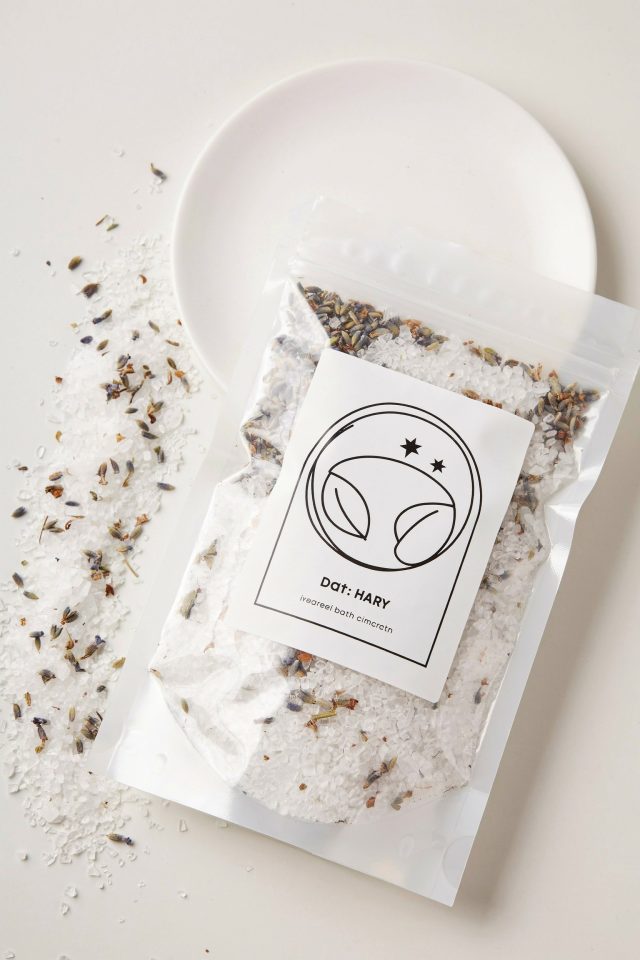
Warm Wood Accents for a Grounded Feel
If you want your bathroom to feel like a real retreat, start with wood. Not the glossy, orange-toned stuff from the 90s, but matte, raw, or lightly oiled wood in teak, oak, or walnut. Japandi design leans heavily on natural materials, and wood brings warmth that tile alone can’t give. A simple teak stool in the shower or a floating oak shelf above the toilet can shift the whole mood of the room. I personally love how a single wooden bench near the bathtub makes the space feel less like a utility room and more like a quiet corner of a forest.
Wood also ages beautifully in a bathroom if you choose the right finish. Look for teak or cedar that handles moisture well without sealing off its natural grain. Avoid anything too glossy or plastic-coated. The whole point is that the material stays honest. A wooden mirror frame or a small cabinet with visible wood grain can tie everything together without screaming for attention. Just keep it to two or three wood pieces so the room doesn’t look like a sauna. Balance is everything.
Soft Neutral Color Palettes That Breathe
Color in a Japandi bathroom is less about drama and more about quiet. Think warm off-whites, pale beige, soft greige, and the occasional whisper of sage or dusty blue. The walls should feel like a blank canvas but not a cold one. I have seen too many minimalist bathrooms that look like doctor’s offices. The trick is to choose whites with a touch of warmth, like ivory or cream, and pair them with earthy tones in the towels and accessories. A gentle beige wall with white trim and a natural stone floor feels calm without being boring.
You can also bring in muted earthy colors through small decisions. A charcoal soap dispenser, a sand-colored bath mat, or a linen shower curtain in oatmeal. The goal is to create a space where your eyes can rest. Avoid high-contrast schemes like black and white unless you add wood or greenery to soften the edges. Remember that natural light changes throughout the day, so test paint samples on different walls before committing. A color that looks perfect at noon might turn cold by evening.
Minimalist Vanity and Storage Solutions
Clutter is the enemy of calm. In a Japandi bathroom, every item needs a home, and that home should be out of sight or beautifully displayed. Start with the vanity. A floating wooden cabinet with a stone countertop keeps the floor visible and the room feeling larger. Choose a vessel sink or an integrated ceramic basin that sits flush with the counter for a seamless look. Hardware should be simple: matte black or brushed brass handles that don’t steal attention.
For storage, think vertical. Use a slim ladder shelf for towels, a recessed medicine cabinet for toiletries, and a wall-mounted caddy for daily items. If you have a small bathroom, every inch counts. Here are a few practical storage ideas that won’t break the minimalist vibe:
- Open shelving with a few folded towels and a single plant, nothing more.
- Magnetic strips inside the cabinet door for tweezers and clippers.
- Glass jars on the counter for cotton balls and bath salts, but limit to two or three.
- Under-sink baskets made of natural rattan or bamboo for hidden extras.
Keep the counter mostly empty. If you need a toothbrush holder or soap pump, choose one that matches the finish of your faucet. The less you see, the more your brain can relax. I make it a rule: if you haven’t used it in a week, it goes in a drawer.
Natural Stone and Textured Tiles
Tile choice can make or break a Japandi bathroom. You want texture without busy patterns. Large-format porcelain tiles that mimic limestone or travertine are a solid choice. They have subtle veining and a matte finish that catches light gently. Avoid high-gloss tiles. They reflect too much and make the space feel impersonal. A honed marble or a ceramic tile with a sandy, unglazed surface feels better under bare feet and looks more organic.
Consider using the same tile on the floor and in the shower to create a continuous visual line. This trick makes small bathrooms feel twice as large. For an accent wall, stack rectangular subway tiles in a vertical offset pattern or use narrow planks of slate or basalt. Keep the grout color close to the tile color so the lines don’t dominate. I once used a warm gray grout with beige tiles, and the result was a soft, cohesive look that didn’t fight the wood elements. Natural stone also ages with character, which fits the wabi-sabi side of Japandi perfectly.
Dual Lighting for Functional Tranquility
One overhead light is never enough. In a serene bathroom, lighting needs to do two things: help you see clearly when you need to and soften the room when you want to unwind. Start with ambient light. Recessed cans on a dimmer or a flush-mount fixture with a warm bulb (2700K to 3000K) can bathe the room in a golden glow. Then add task lighting for the mirror. Wall-mounted sconces on either side of the mirror or a horizontal light bar above it will eliminate shadows on your face.
The real secret is separation. Have a switch for the main light and a separate switch for a smaller, softer light near the tub or toilet. A paper lantern pendant or a simple wooden pendant lamp over the bathtub creates a focal point and a cocoon-like atmosphere. Avoid cool white bulbs. They drain warmth from the room and make skin look gray. I keep my bathroom lights on a dimmer and rarely turn them up past 60% unless I’m shaving. For nighttime visits, a single dimmed sconce or a small nightlight near the floor is all you need.
Greenery and Organic Details
Plants are not just decoration in a Japandi bathroom. They are a necessity. A small potted fern on a shelf, a snake plant in the corner, or a single branch of eucalyptus tucked into a ceramic vase brings life to the clean lines. But you have to choose plants that actually like humidity. Spider plants, pothos, and peace lilies thrive in bathroom air and require almost no care. I have a small monstera in my own bathroom that gets only indirect light from a frosted window, and it has doubled in size over two years.
Stick to one or two plants at most. Too many turn the room into a jungle instead of a retreat. Pair the greenery with organic accessories like a stone soap dish, a linen hand towel, or a bamboo toothbrush holder. Even small touches like a clay diffuser with a subtle cedar or sandalwood oil can anchor the space. The goal is to bring the outside in without overwhelming the senses. A single leaf floating in a shallow bowl of water on the counter can be enough. Trust me, simplicity is harder to achieve than busy decor, but once you get there, you won’t want to go back.
Creating a Japandi bathroom is not about buying a specific brand or following a trend. It is about editing your space down to the essentials and choosing materials that feel good to the touch and the eye. Start with one idea from this list, maybe the wood bench or the soft beige paint, and build from there. Your bathroom should serve your morning rush and your evening wind-down with equal grace. Save this pin for your next renovation, and remember: a serene bathroom doesn’t happen by accident. It happens when you stop adding and start subtracting. Now go pick a towel that feels as good as it looks. You will thank yourself later.
#modernbathroom #japandibathroom #bathroomdesign #minimalistbathroom #bathroomdecor